In the book ‘India on our Minds’ edited by Professor Tommy Koh and Hernaikh Singh, Singapore’s President Mr. Tharman Shanmugaratnam writes:
“India has the largest unfulfilled social and economic potential of any country today”
According to him, “the fundamental challenge” is the lack of jobs for young Indians and the poor quality of basic education and healthcare. But he knows that challenges start at birth. In a lecture he gave in India in 2022 he said:
“There is no public investment with higher long-term return than eradicating childhood stunting.”
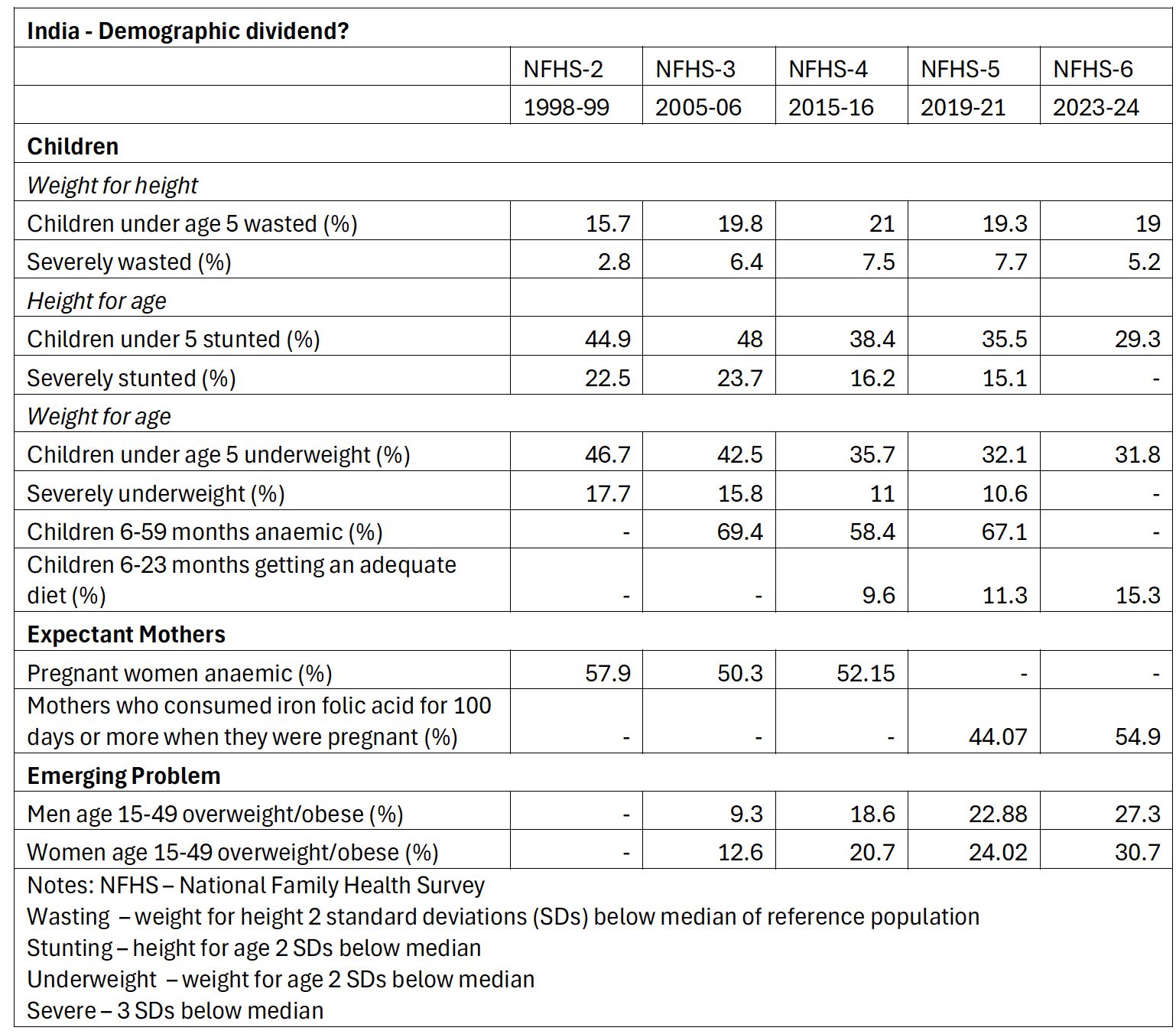
As the following table shows, despite the Poshan Abhiyaan scheme, progress has been much too slow.
Using the above data on wasted, stunted and underweight children and combining this with population data from the World Bank, I have derived the age cohorts and the population in the different age cohorts for 2024. For example, someone who was under 5 years of age (0-4 yrs.) in 1998 would be in the age group 26-30 in 2024. These are all children and youth, many are in education system and or have jobs, if they have managed to come that far. Let’s put aside the low quality of the education system, or the lack of employment opportunities for young people either due to a skills mismatch or because the economy is just not creating enough jobs.
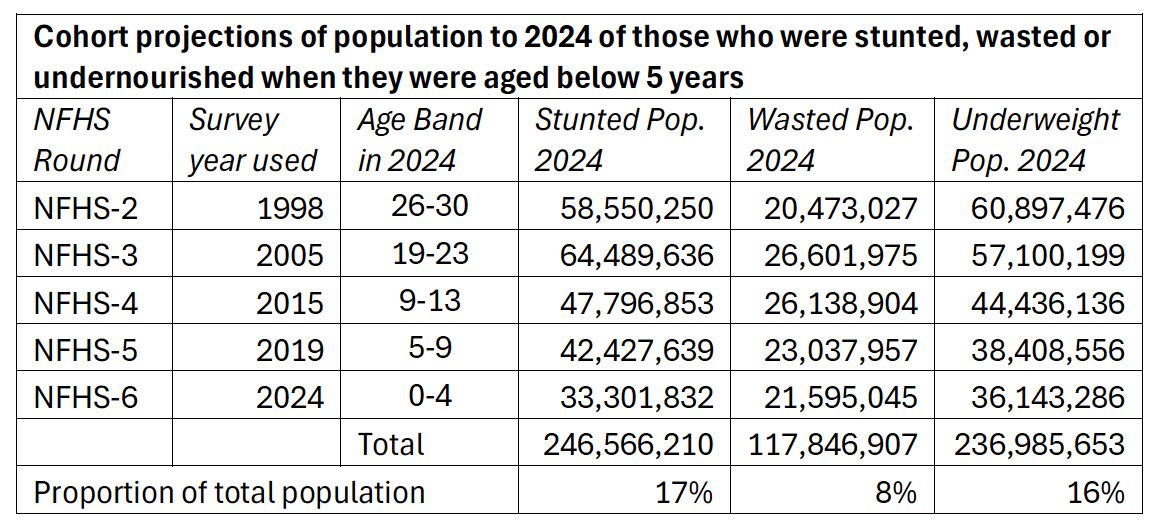
The likelihood of completing an education is quite low since stunting, wasting and undernourishment (particularly in protein and iron) impairs brain development, delays motor skill development, reduces attention span and may result in language deficits. Children typically have lower bone density and muscle mass; weak immune, metabolic and endocrine systems. These effects are irreversible. Females who survive to adulthood are likely to have smaller pelvises and obstetric issues and adults are likely to have insulin resistance and type 2 diabetes. Clearly there is a higher probability that many of these children will not grow up to be productive members of society. 240 million is a lot.
India is on my mind as well, but I feel it is cheating its children and youth. The very generation that it’s elites brag about at home and abroad.
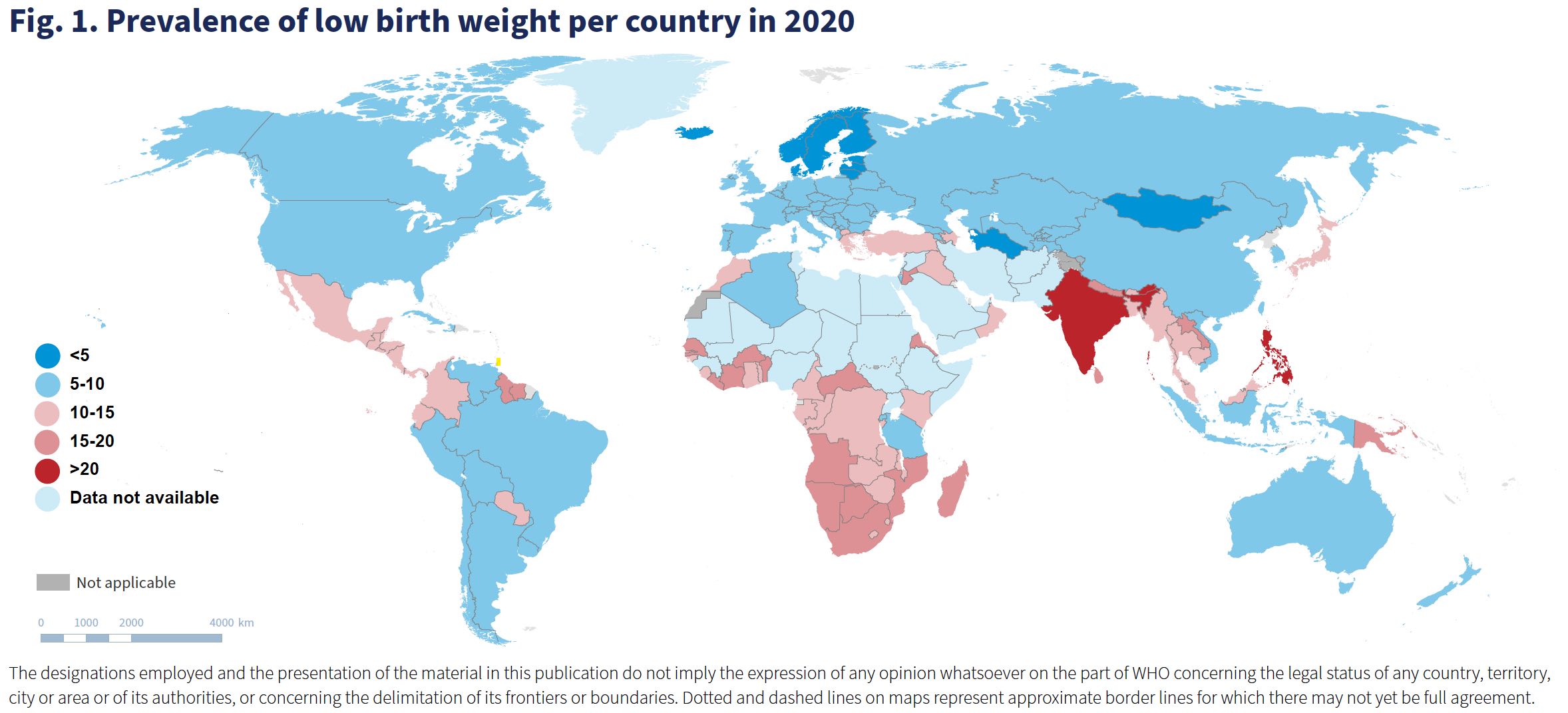
Where India stands out: Figures from the WHO
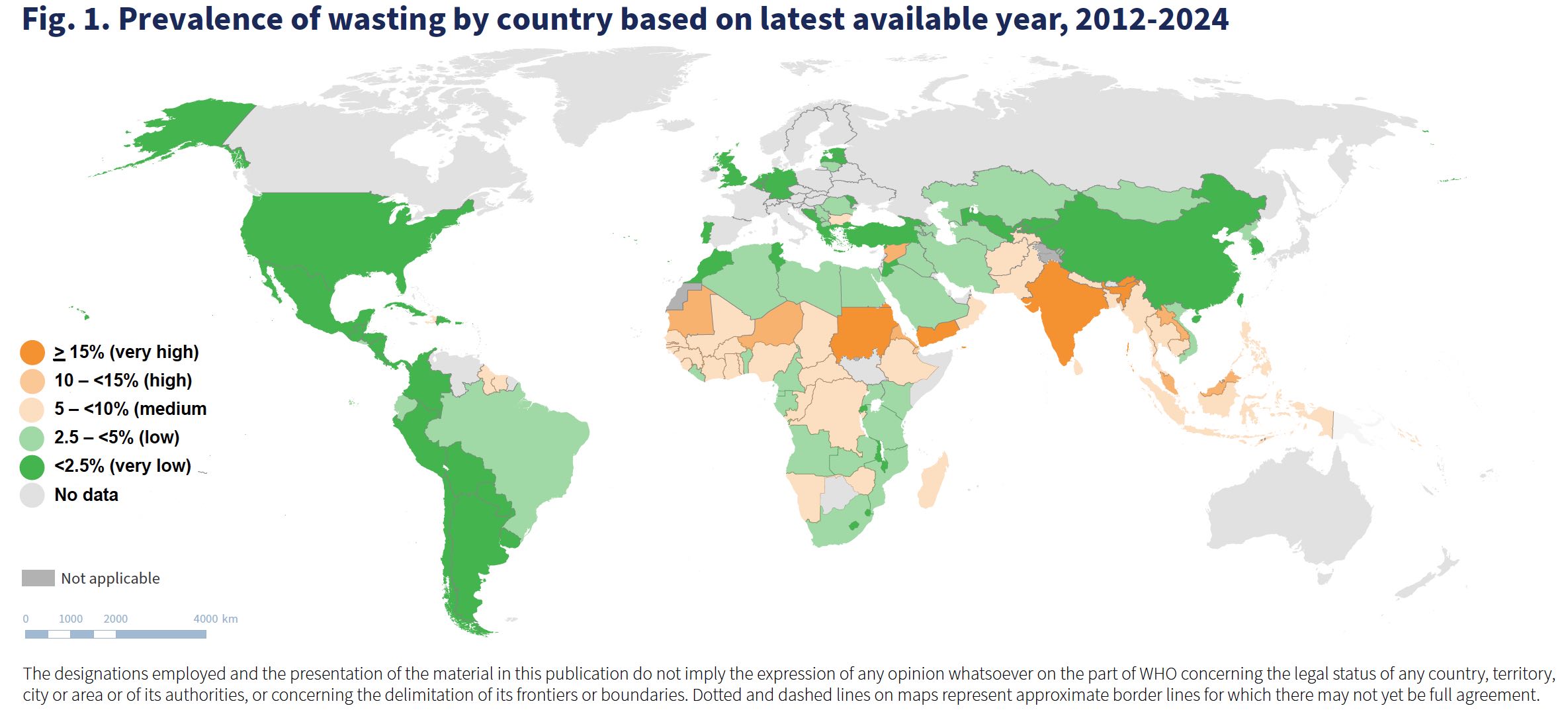
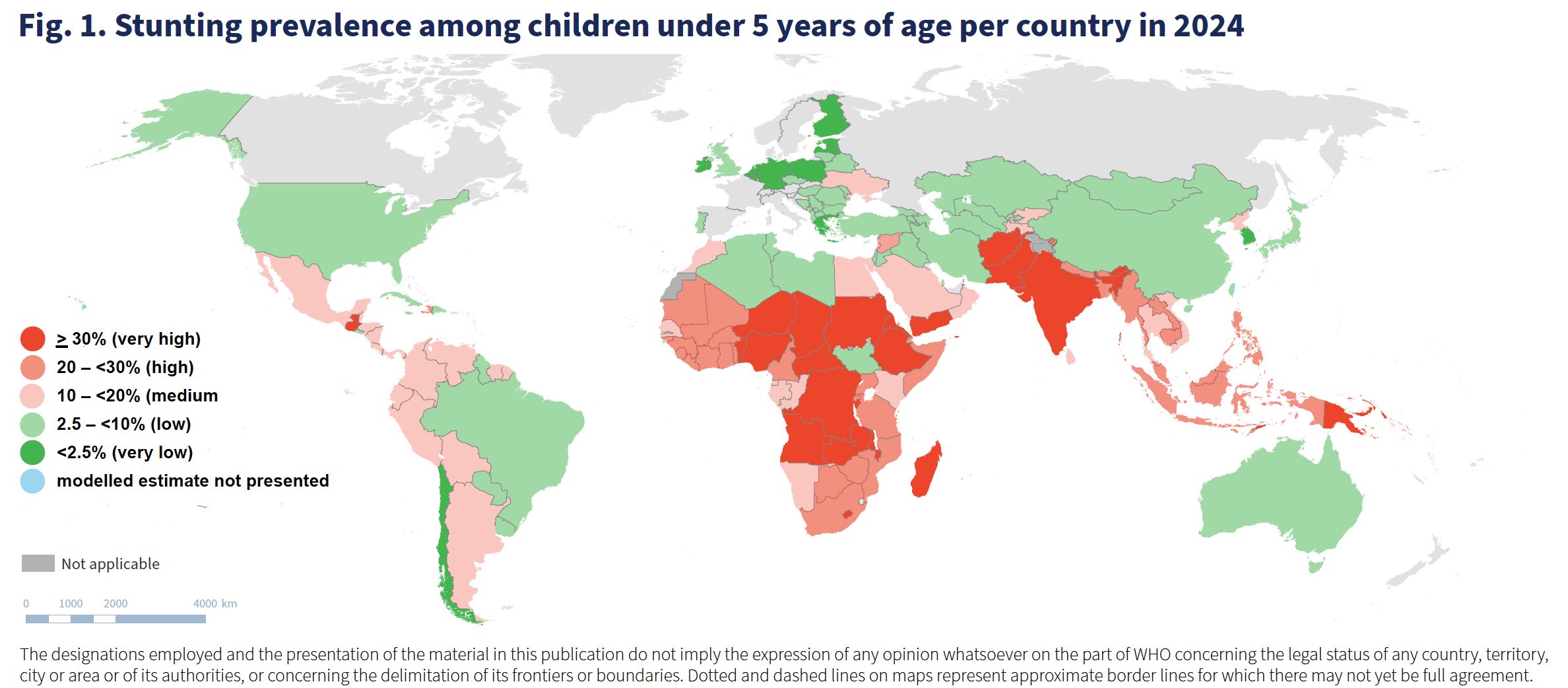
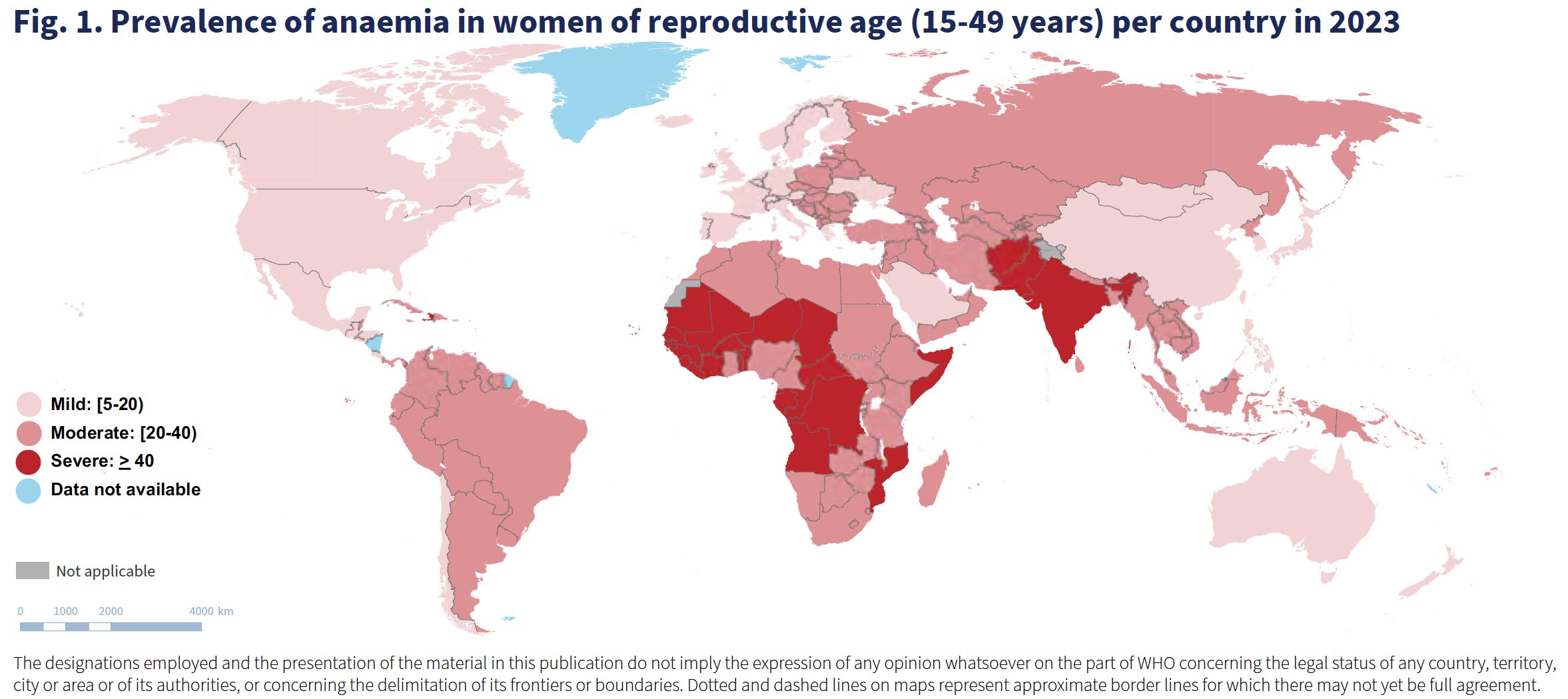
Sources
Chaudhuri S, Kumar Y, Nirupama A . (2023) Examining the prevalence and patterns of malnutrition among children aged 0–3 in India: Comparative insights from NFHS-1 to NFHS-5, Clinical Epidemiology and Global Health, 24.
Hemalatha R, Pandey A, Kinyoki D et al. (2022) “Mapping of variations in child stunting, wasting and underweight within the states of India: The Global Burden of Disease Study 2000–2017”, eClinicalMedicine, 22.
Koh, Tommy, and Hernaikh Singh, eds. (2021). India on Our Minds: Essays by Tharman Shanmugaratnam and 50 Singaporean Friends of India. Singapore: World Scientific Publishing.
National Family Health Survey, India (NFHS-6), 2023-24: Fact Sheets.
Pakhare, A., & Joshi, A. (2026). “NFHS India Explorer: a harmonised NFHS-3 to NFHS-6 fact-sheet database and dashboard (v1.0.0)”. https://doi.org/10.5281/zenodo.20460014
Tharman Shanmugaratnam, First Arun Jaitley Memorial Lecture, 8 July 2022. New Delhi.
WHO (2025) Global Nutrition Targets 2030: Target Briefs.


Leave a Reply